
Read the trip, then the car
City, airport, and vehicle guides stay separate so the advice matches the week you are actually planning.
Canada
Ebomim is an independent guide to vehicle categories, cities, airports, and trip length. It explains the decision. It does not rent the car.
City, airport, and vehicle guides stay separate so the advice matches the week you are actually planning.
Ebomim explains the decision. It does not publish a car count, a price, or a reservation.
Winter roads, long provinces, and airport arrivals are treated as different problems.
The form records the shape of the trip on the next page. It does not check availability or take a booking.
The practice
People in Canada search for a car rental when the city, the airport, or the week ahead stops fitting on foot or on a single train. The useful question is rarely “which logo is loudest.” It is whether you need a small car for downtown streets, an SUV for a winter highway, a van for a group, or a truck because something has to be moved.
Ebomim is an independent educational site built around that question. The car rental page is the main guide. Vehicle pages go deeper on SUVs, luxury cars, electric cars, pickups, vans, and trucks. City pages describe how driving actually feels in that place. Airport pages stay on the arrival, not on a copy of the city article with the word airport added.
Nothing here is a quote. A low number on another website is not a promise, and a photograph of a car is not a statement that the same car is waiting. Ebomim does not rent vehicles, own a fleet, or take payment. The pages help you define the trip before you arrange a rental with a rental company.
Canadian distances punish a vague plan. A downtown pickup and a mountain weekend are different vehicles. A one-way drive across a province is different from a weekly loop that returns to the same airport. Monthly use is different again: wear, mileage, and who may drive start to matter more than the first-day impression.
Collections
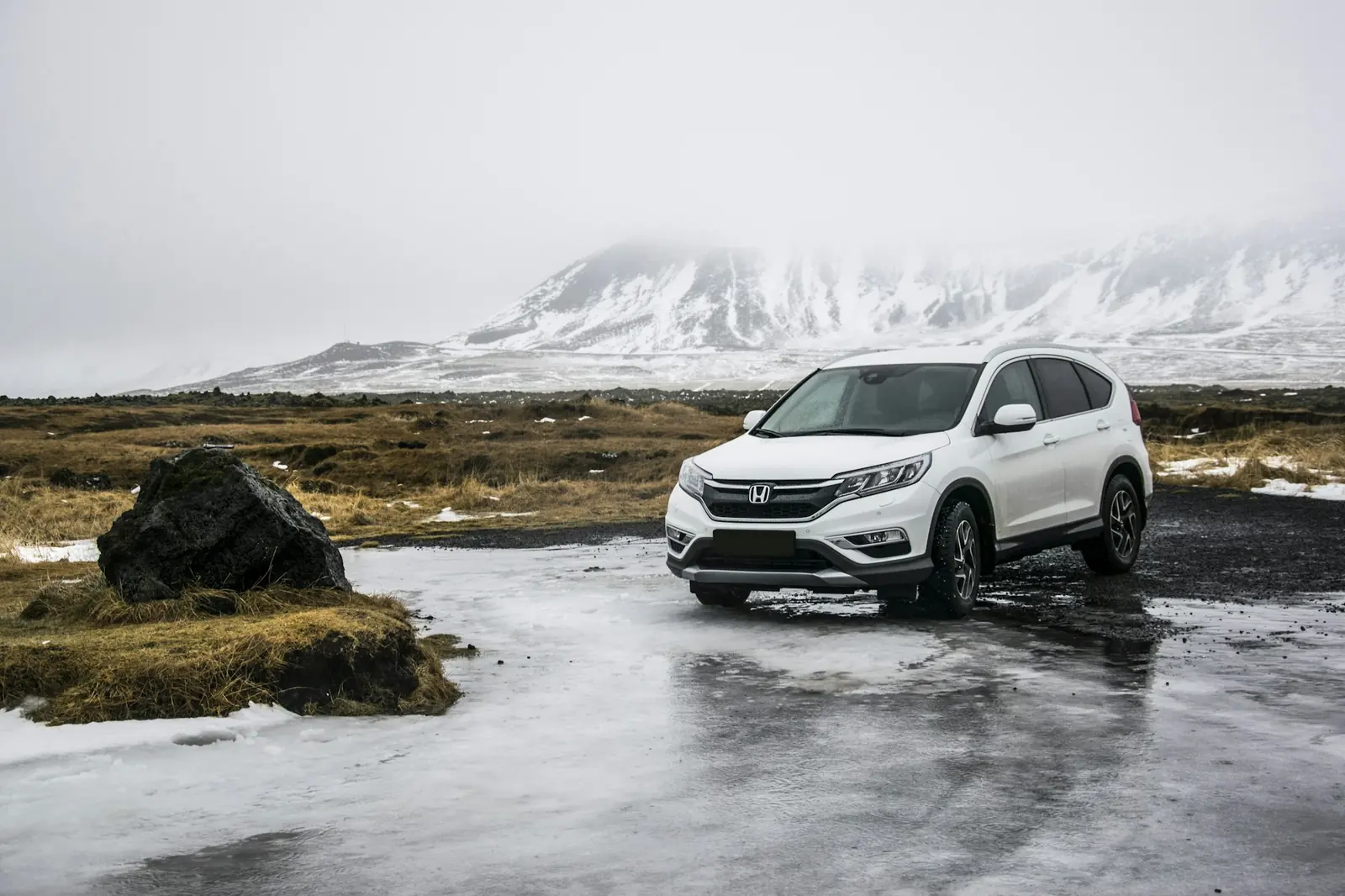
Higher seating for winter highways, family luggage, and trips that leave the grid.

A quieter cabin when the arrival itself is part of the day.
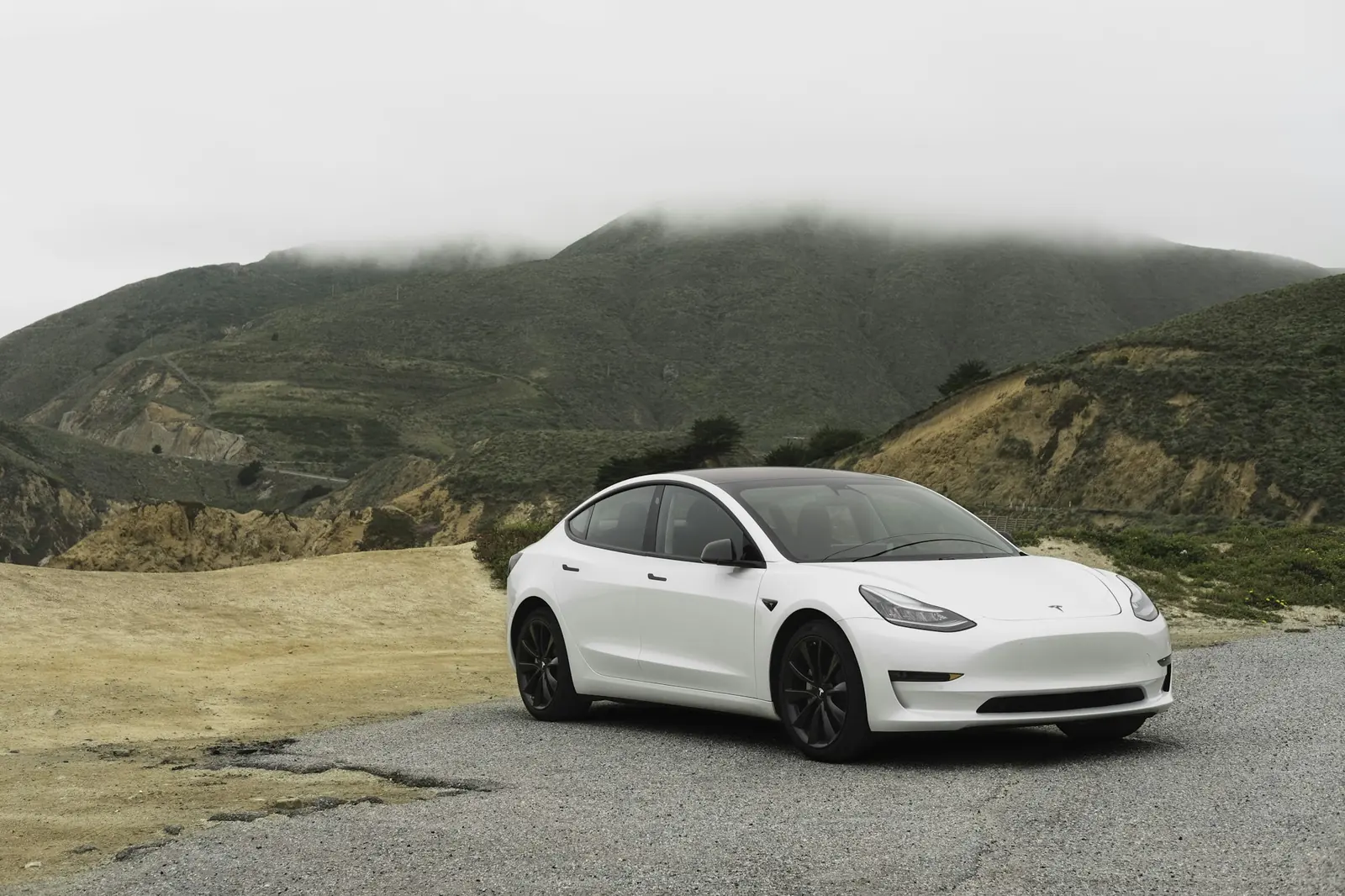
A battery car only if charging can sit inside the route you actually drive.

A bed for a move, a job site, or a rural errand that a trunk cannot hold.

People or cargo, but not both problems at once. Start with the load.

Smaller cars for dense streets, shorter hops, and easier parking.
On the road
A rental in Canada is often the stretch between a city and a landscape: the Sea-to-Sky, the QEW toward Niagara, the Trans-Canada across the Prairies, or a winter highway that asks more of the tires than the brochure did. Choose the car for that stretch.
Ways to rent
These are different decisions. A cheap weekday in one city is not a monthly arrangement, and an airport arrival is not the same task as a one-way drop in another province.
Categories
More seats when the group and the luggage arrive together.
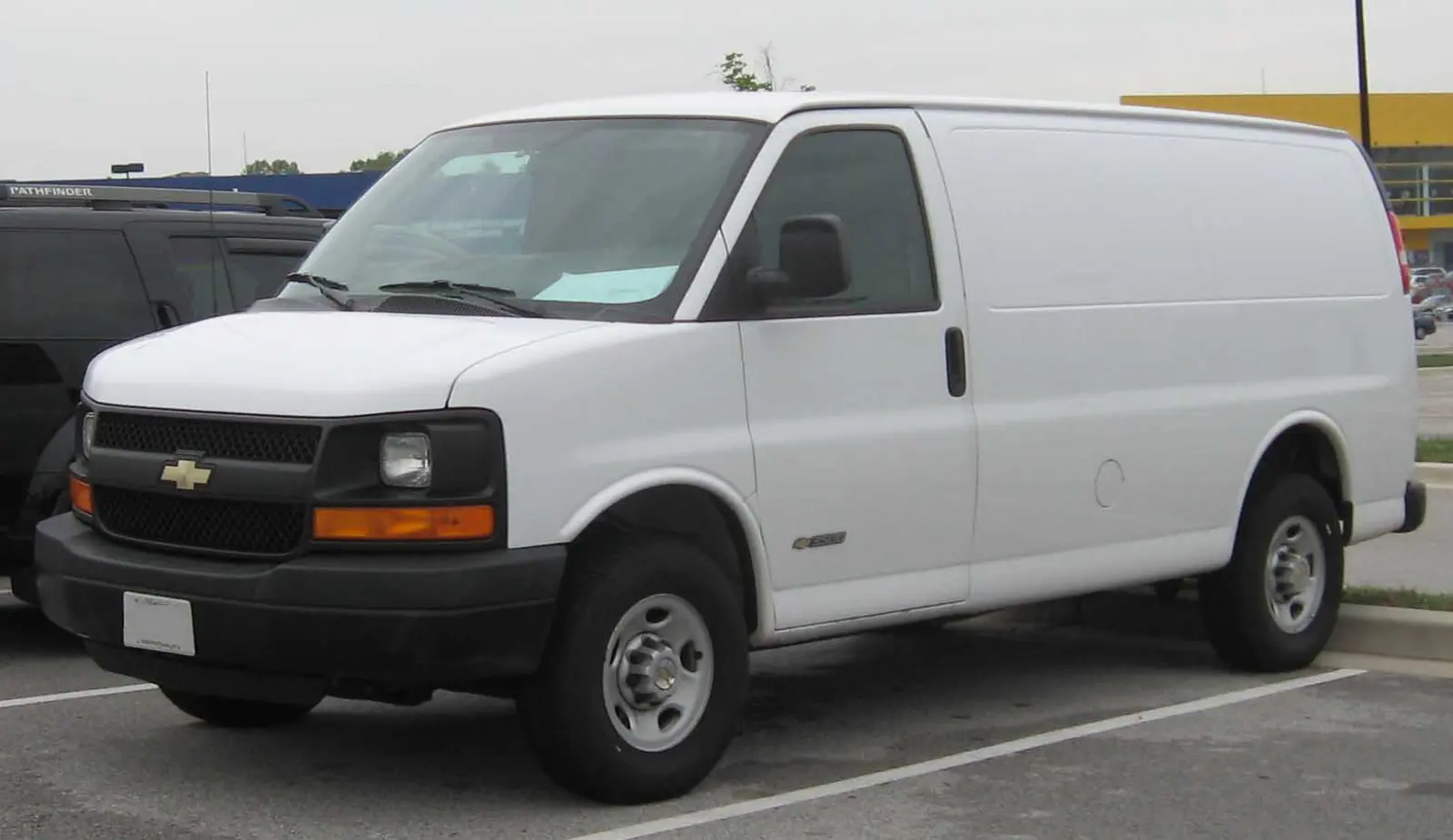
An enclosed space for boxes, tools, and a small move.
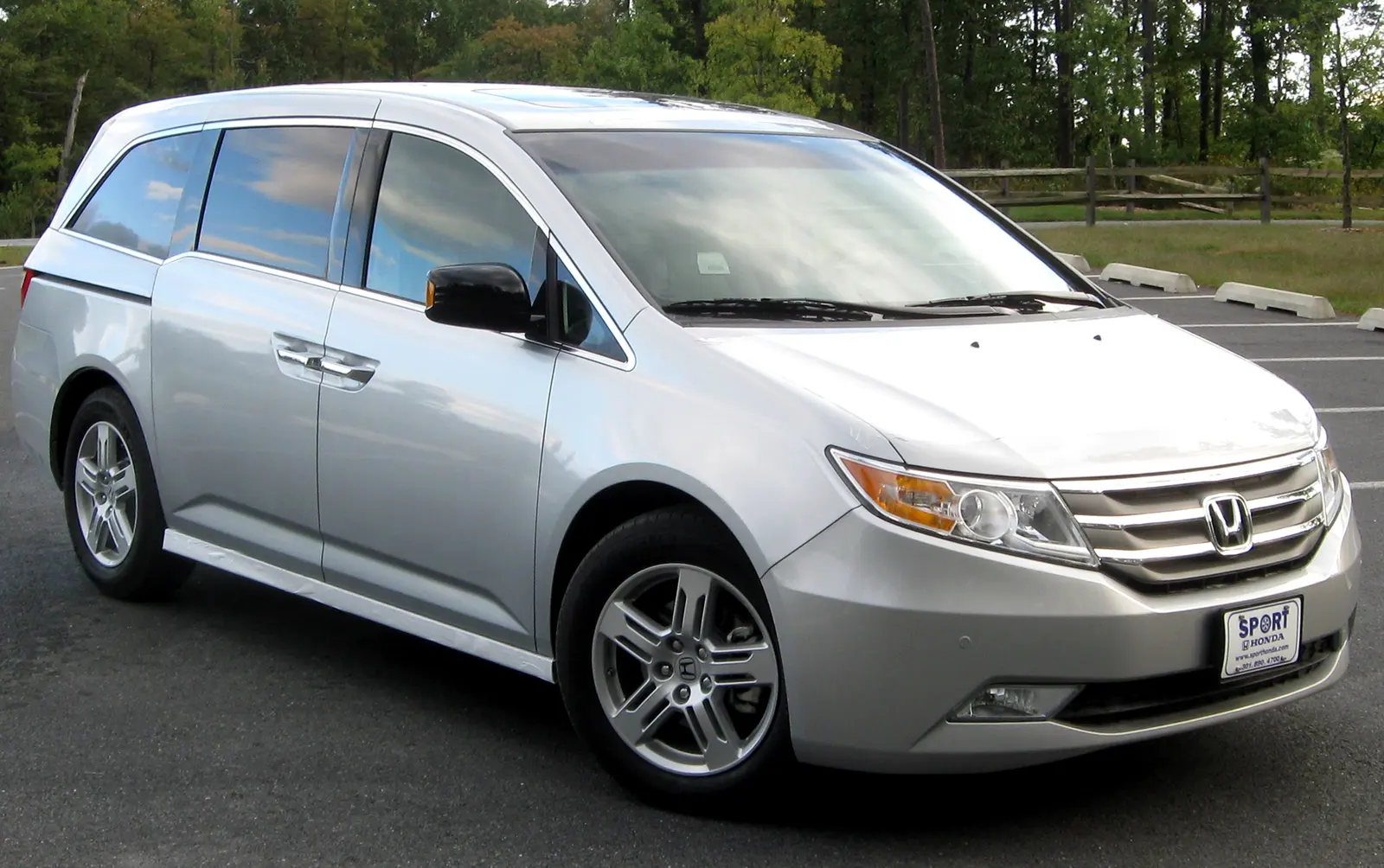
Sliding doors and a family seating plan.

When the load is larger than a pickup bed can honestly carry.

Charging is part of the trip, not a sticker on the fender.
Cities
Each city page is about driving there: the highways that clog, the trips people actually take, and the airport that belongs to that arrival. A smaller town is covered when its roads are part of a neighbouring city.
Airports
An airport rental starts with the clock. A late arrival, a pile of luggage, and a drop-off in a different city the next week are not the same as borrowing a car beside a downtown hotel.
Ebomim keeps airport car rental separate from city pages. Pearson, Vancouver, Calgary, Montreal-Trudeau, and Halifax each have a page about the arrival itself. Those pages explain the arrival. They do not stand in for the airport’s own directions.
Browse airport guides when the flight, not the neighbourhood, is the start of the trip.

Electric
Electric car rental in Canada is appealing on a mild urban week and more complicated on a January highway. Range falls in the cold. Chargers are common in some downtowns and sparse on parts of the Trans-Canada. The right question is whether your route can absorb a stop, not whether the car looks modern in a photograph.
If the week is a city, an airport, and a short highway, an electric car can be the calm choice. If the week is a northern highway after dark, a conventional SUV may be the more honest tool. Read the electric car rental guide before you treat the drivetrain as a style decision.
Longer stays
Long-term and monthly car rental comes up for contract work, a gap between cars, a family visit that runs long, or a winter when transit and weather stop cooperating. The questions shift toward who may drive, how mileage is discussed, and what happens if the plan changes in week three.
Ebomim does not publish a monthly price. The long-term guide explains the decision. Business rental covers the narrower case of a professional trip.

How it works
Set a pickup place, dates, times, and, if you need it, a different drop-off. Add a vehicle class only if you already know it.
Read the class that matches the trip: city car, SUV, van, truck, luxury, or electric. The pages describe use, not a live list of plates.
The next page restates what you entered. It does not reserve a vehicle or show a price.
A rental happens with a rental company, under that company’s agreement. Ebomim does not confirm a pickup.
Before the keys
Canada
Use a city page when the streets matter, and a vehicle page when the highway matters. The two meet in the planner: a place, a date, and a class. That is the whole composition.
Questions
No. Ebomim does not publish prices, discounts, or availability, and it does not reserve vehicles.
Start with car rental. Then open the city or airport that matches the trip, and the vehicle class that matches the load.
The form has a different drop-off option. Read one-way car rental before you assume every route is offered.
Call +1 (780) 835-6133, email [email protected], or use the contact form. The form is for questions about the website, not for reserving a car.
On this site they share one page. Both mean a special car for a specific occasion, not a separate bargain product.
Winter changes tires, range, daylight, and which highways you will actually enjoy. City pages say what that means locally. An SUV is often the practical class, not a status class.
Next
The planner notes a pickup, a return, and an optional vehicle class. It does not reserve a car.
Plan your trip